





















What this is
We take cute extremely seriously.
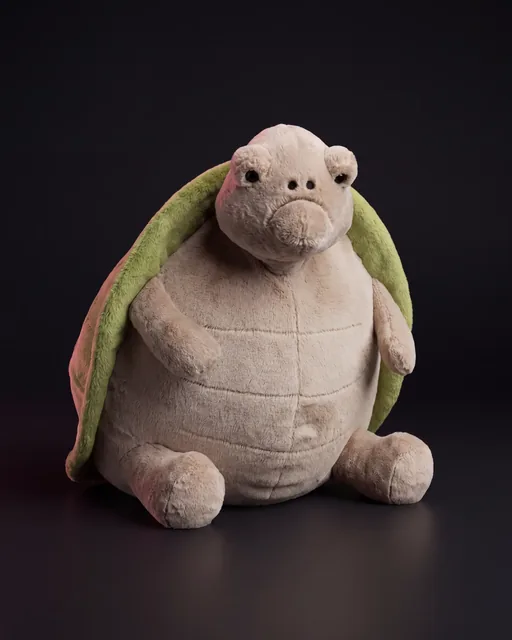
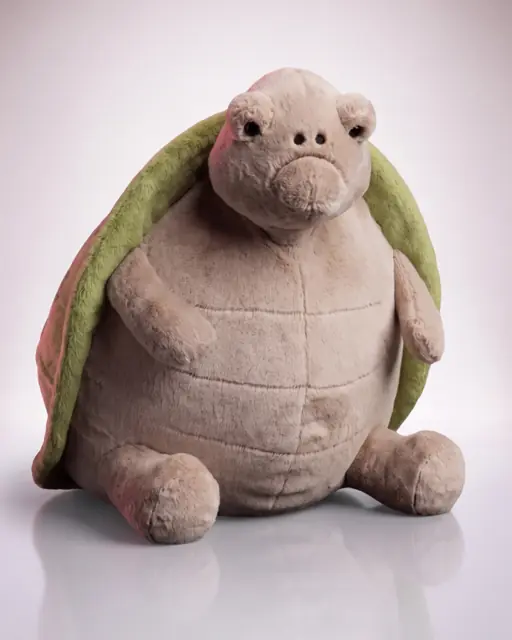
Plush, charms, blind boxes and stationery from Japan, Taiwan and Korea. A wardrobe drawn in Britain. Every piece labelled with where it came from, because that is half of what makes it good.
Who it is for
You did not grow out of it.
Somewhere around thirteen the world starts suggesting you put the plush away. Most people comply. You did not. The keyring on the bag is a statement of intent, the phone case is a personality, and the one on the desk at work is not a lapse of judgement.
So this is not a gift shop and it is not a toy aisle. It is a shelf for people with taste and a squishy in their pocket.
Where it comes from
Four countries, one eye.
Japan, Taiwan, Korea and Britain make completely different kinds of cute, and the difference is the entire point. A Taipei illustrator's charm does not look like a Seoul one. A Tokyo blind box does not behave like a British plush. Every card says where the thing is from, because that is a fact about the object, like its colour.
Illustrators, character studios and small makers, picked one at a time and named on the card. Nothing gets on the shelf because it was easy to order a thousand of.
The wardrobe
Cute you can wear out of the house.
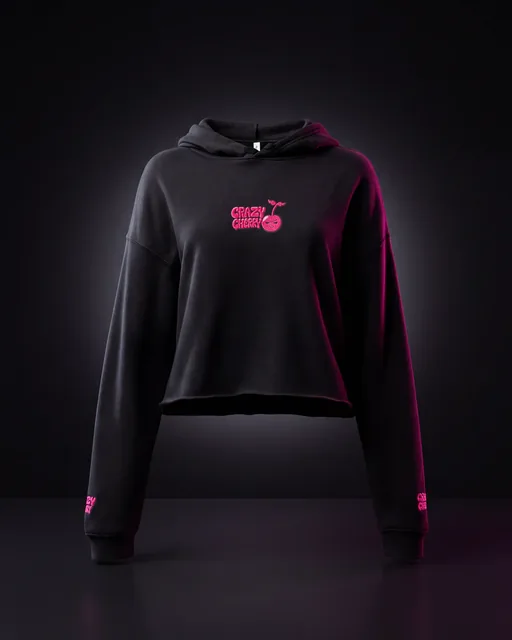
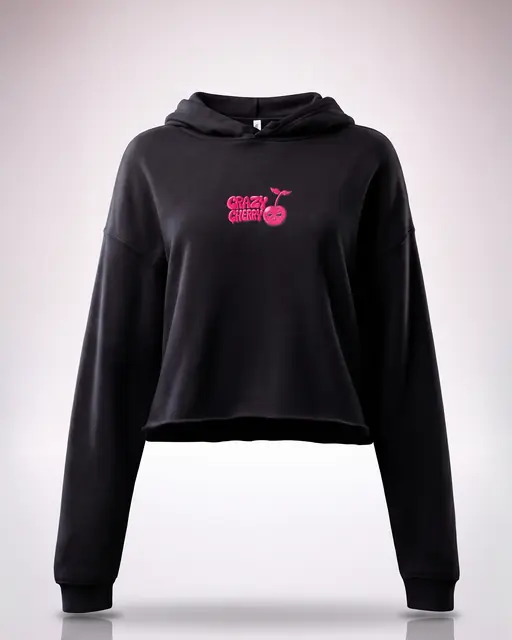
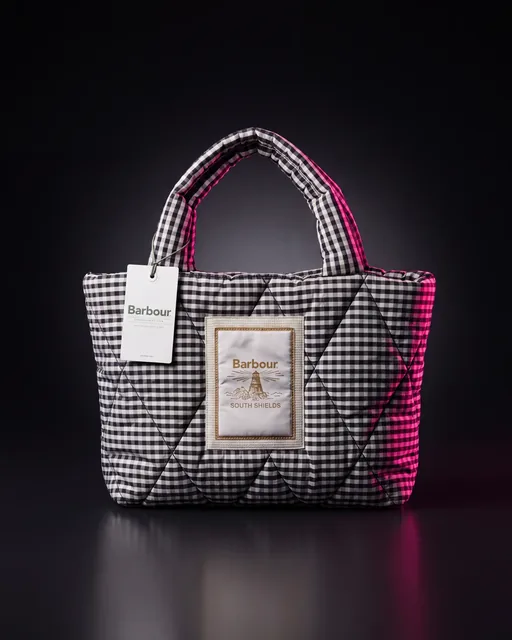
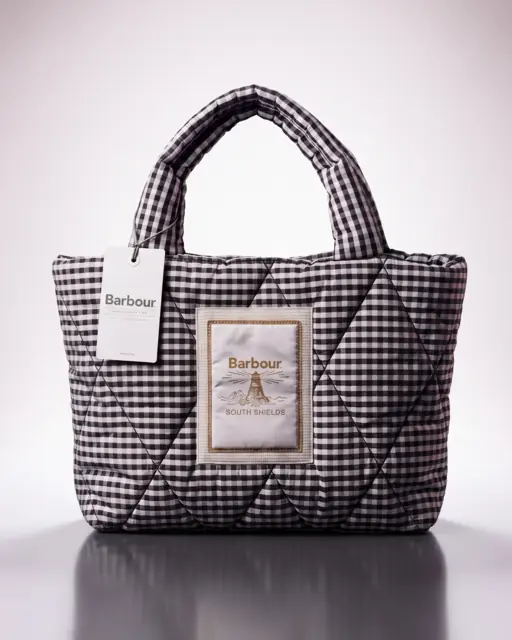
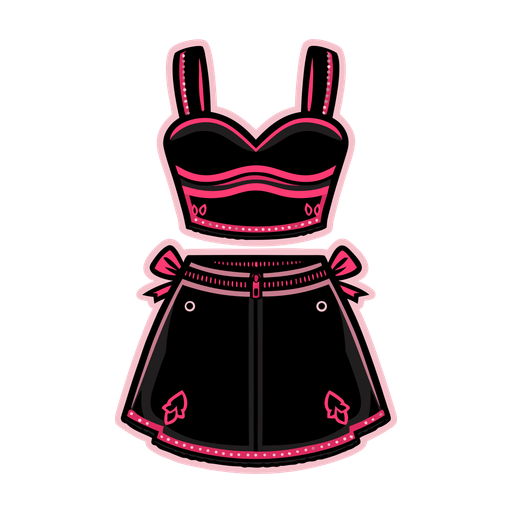
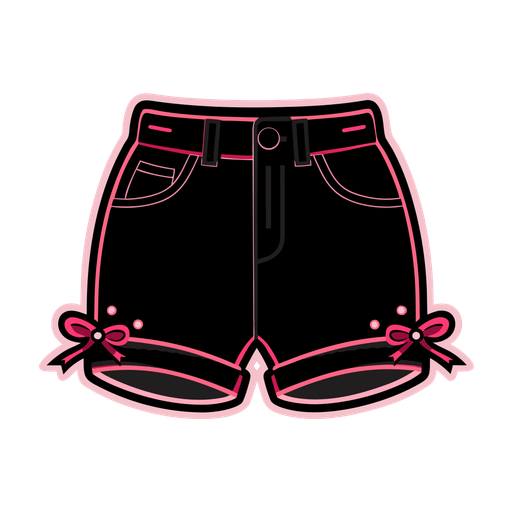
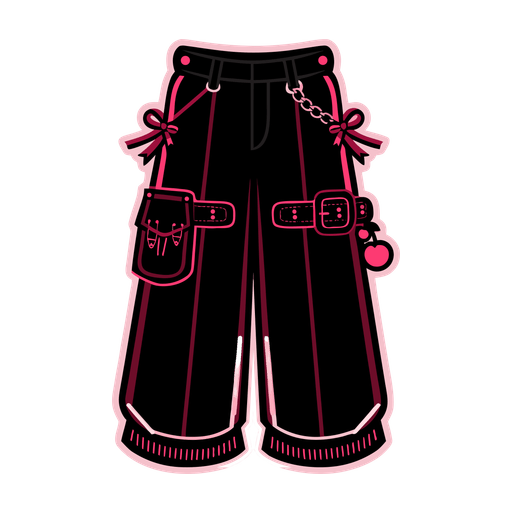
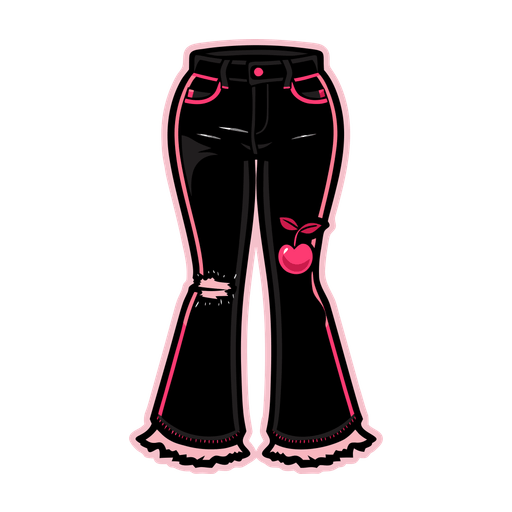
The toy shelf is half of it. The rest is hoodies, sets, dresses, caps and bags, and our own label is drawn here rather than licensed in. Cut like streetwear, decorated like a toy shelf, and made for someone who is done being told to grow out of it.
Holding both halves at once is the whole brand. Neither one is allowed to win.
Most of the job is saying no.
Anybody can fill a shelf. Britain has a sweet gift shop, a hype machine with one character on it, and a row of stockists with no taste of their own. None of them will take you anywhere you have not been.
So a shelf is only worth reading because of what did not make it: the licensed filler, the fifth version of a character everyone has, the cute thing with nothing behind it. We would rather carry the one you have to explain to your friends.